

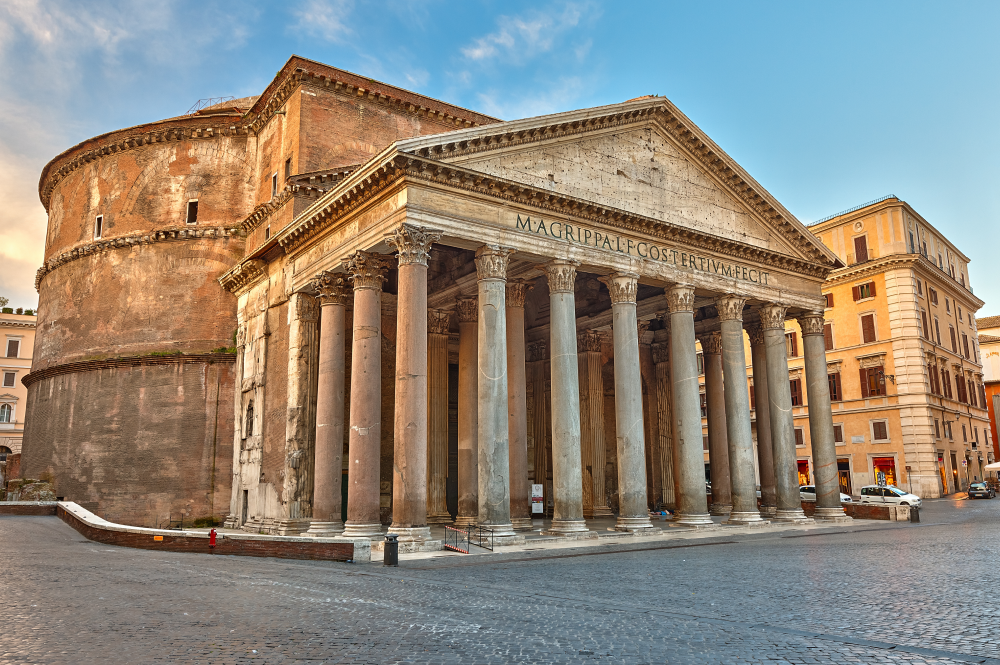
🏛️ Introduction
Some Roman structures have stood strong for over 2,000 years, surviving earthquakes, weathering, and time itself. Surprisingly, many modern concrete structures struggle to last even a century.
Recent scientific studies have revealed the secret behind ancient Roman concrete, offering valuable lessons for modern civil engineering and sustainable material design.
🔬 What Made Roman Concrete Unique?
Unlike modern Portland cement concrete, Roman concrete used a distinct mix composition, including:
- Volcanic ash (pozzolana)
- Lime
- Seawater (in marine structures)
This combination triggered self-healing chemical reactions over time.
🧠 Scientific Discovery from Pompeii
Modern researchers analyzing ancient structures in Pompeii discovered:
- Formation of interlocking mineral crystals
- Increased strength with age
- Crack-healing properties
Instead of weakening, Roman concrete became stronger over time — a rare phenomenon.
🧪 Technical Comparison
| Aspect | Modern Concrete | Roman Concrete |
|---|---|---|
| Primary binder | Portland cement | Lime + volcanic ash |
| Durability | 50–100 years | 2,000+ years |
| Self-healing | Limited | Natural |
| Environmental impact | High | Low |
🌍 Lessons for Modern Sustainable Construction
Civil engineers can learn valuable principles:
- Reduce cement dependency
- Use natural pozzolanic materials
- Design for long-term durability, not short-term strength
Roman concrete inspires low-carbon, long-life infrastructure — a perfect match for sustainability goals.