
Artificial Intelligence (AI) is rapidly reshaping how large-scale construction projects are planned, designed, and executed, moving the industry toward a data-driven future. Across major infrastructure developments, firms are leveraging AI-enhanced systems to analyze soil data, optimize structural design, manage risks, and forecast project outcomes with unprecedented accuracy.
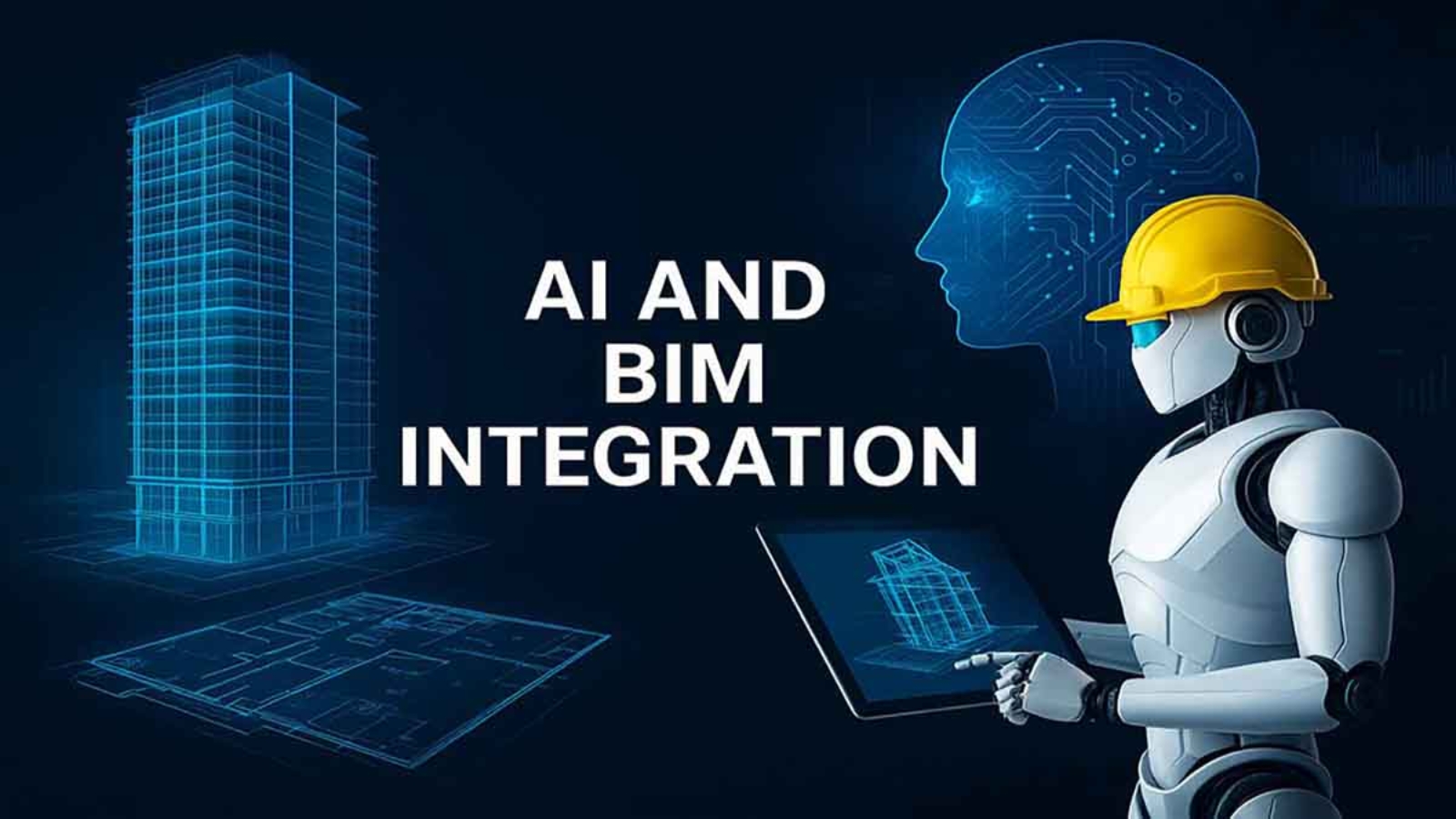
One of the most transformative integrations comes from combining AI with Building Information Modeling (BIM). Traditional BIM tools create detailed 3D project models, but when infused with AI algorithms, these systems evolve into intelligent design and planning platforms. AI-enabled BIM can simulate multiple construction scenarios — evaluating outcomes for cost, schedule, and resource use before any ground is broken. This simulation capability helps engineers and planners identify design inefficiencies, merge interdisciplinary data, and reduce costly revisions during execution — a significant advantage for complex civil engineering projects.
Beyond design optimization, AI is transforming risk identification and mitigation. AI models can analyze historical project data and emerging indicators to forecast potential delays, budget overruns, and supply chain bottlenecks, allowing project managers to act proactively rather than reactively. According to industry data, predictive planning tools powered by machine learning are becoming central to managing large infrastructure portfolios, enabling intelligent resource allocation and more accurate scheduling.
A rising trend supporting AI in planning is the adoption of digital twin technologies — real-time digital replicas of physical projects that update continuously with sensor and IoT data. Digital twins enhance visibility into project progress, letting teams test changes virtually and anticipate impacts on cost, quality, and schedule. As such, they are quickly becoming essential tools in modern construction planning.
Industry observers note that AI adoption is no longer confined to theoretical research — major construction technology platforms are embedding machine learning features directly into their software suites. For example, leading design and project management tools now include AI-driven clash detection, generative design suggestions, and automated error checking, further streamlining collaborative workflows among engineers, architects, and contractors.
According to recent market forecasts, the global AI in construction market is projected to grow significantly through 2033, driven by increased demand for smarter planning tools and automation platforms across civil, industrial, and infrastructure sectors. These tools are credited with improving schedule adherence, reducing rework, and enhancing overall project quality.
Why This Matters for Civil Engineers
- Improved Predictive Planning: AI can analyze large datasets from past projects to guide better decision-making — a key advantage for risk-heavy infrastructure works.
- Design and Construction Integration: AI-enhanced BIM and digital twins help align architectural, structural, and MEP teams early in the planning stage.
- Cost and Schedule Efficiency: Early error detection and scenario planning reduce rework and help projects stick to budget and timelines.
- Sustainability and Compliance: AI tools can model environmental impacts and energy performance, helping projects meet green building standards.
As AI technology continues to mature, construction planning is shifting from experience-based judgment to evidence-based engineering, where data informs every major decision.
🔗 Source Links
- Why AI-driven Digital Twins matter for construction planning and delivery (Construction Week Online)
🔗 https://www.constructionweekonline.com/analysis/why-ai-driven-digital-twins-matter-for-construction-planning-and-delivery - AI in classic civil engineering applications (Frontiers in Built Environment)
🔗 https://www.frontiersin.org/journals/built-environment/articles/10.3389/fbuil.2025.1622873/full