
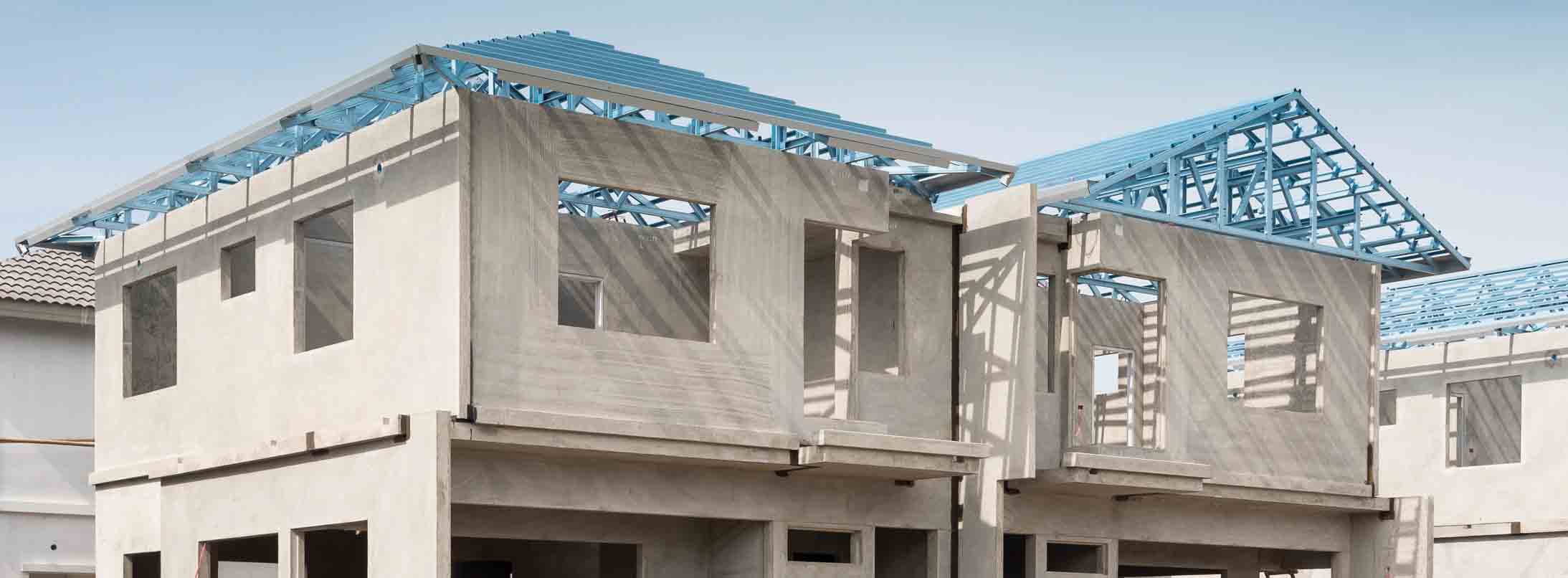
In a major policy shift aimed at modernizing the construction sector, the **South African government has mandated that at least 2 % of all housing grant allocations for the 2026–27 financial year be used exclusively on Innovative Building Technologies (IBTs). This mandate, announced ahead of the Presidential Summit on Innovative Building Technologies, represents a strategic effort to accelerate housing delivery, foster resilience to climate change, and integrate modern construction systems into mainstream development.
The policy will require provincial governments and metropolitan municipalities to embed innovation plans in their housing proposals to qualify for funding, effectively linking public financing with technology adoption. This includes the use of energy-efficient building materials, prefabrication techniques, modular construction, smart electrical systems, and digital construction tools that can enhance quality while cutting long-term maintenance costs.
Human Settlements Minister Thembi Simelane emphasized that these advanced building technologies are expected to speed up delivery times and replace informal housing solutions — such as mud houses and overcrowded backyard dwellings — with durable, climate-resilient structures capable of withstanding floods and storms. The mandate also comes as part of broader efforts to eradicate informal settlements nationwide.
In addition to boosting construction speed and safety, officials believe the funding requirement will stimulate local innovation ecosystems by creating opportunities for startups, research institutions, and technology-driven firms to participate more actively in housing infrastructure projects. This policy signals a clear long-term shift toward future-ready infrastructure development that blends engineering excellence with technological innovation.
Policy Background
This mandate aligns with existing government priorities to mainstream sustainable and climate-adaptive building solutions. According to the Department of Human Settlements’ official documents, the government has been scaling up support for Innovative Building Technologies, including certification of over 40 IBT systems and pilot implementations in multiple regions. These efforts are framed around building cost-effective, resilient housing that is less dependent on traditional brick-and-mortar methods.
The upcoming Presidential Summit on Innovative Building Technologies (03–04 February 2026) will bring together government representatives, industry leaders, construction professionals, and researchers to share practical solutions and accelerate IBT adoption across South Africa.
Civil Engineering Impact
- 📊 Accelerated Construction: Modern methods like prefabrication and modular systems can cut build time significantly compared to traditional onsite methods.
- 🧱 Enhanced Durability: Advanced materials and smart design improve structural performance, especially in extreme weather.
- 💡 Innovation & Jobs: Linking funding with IBTs encourages innovation, R&D, and skills development within the local construction industry.
- 🌍 Sustainability: Technology adoption supports energy-efficient, climate-adaptive housing solutions that align with national sustainability goals.
🔗 Source Links
Human Settlements to host Presidential Summit on Innovative Building Technologies
🔗 https://www.gov.za/news/media-advisories/conferences-summits-seminars-and-workshops/human-settlements-hosts
Government mandates 2-percent housing grants for innovative building technologies (Bulletin)
🔗 https://bulletin.co.za/government-mandates-2-percent-housing-grants-for-innovative-building-technologies/